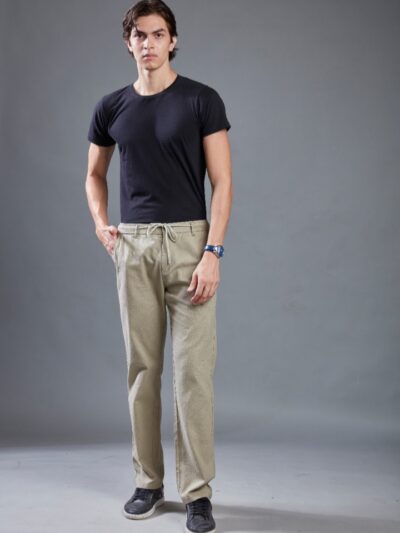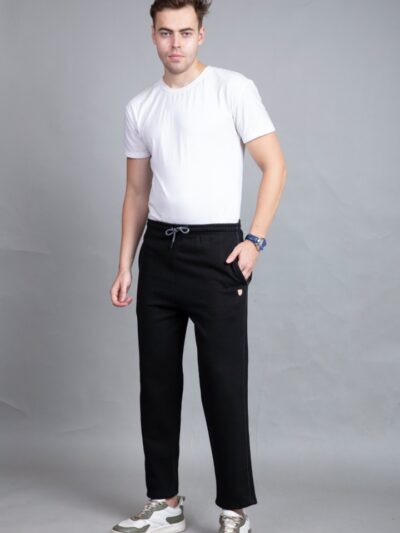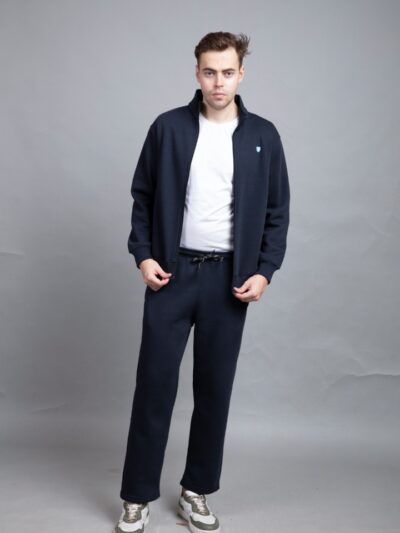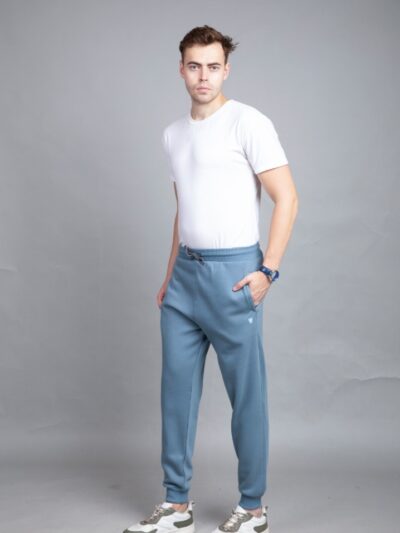
Starting a clothing business can be a great opportunity for entrepreneurs, retailers, and online sellers. With the growing demand for fashionable and affordable apparel, choosing the right wholesale supplier can help you build a profitable and sustainable clothing business.
However, success in the clothing industry depends on more than just finding low prices. Product quality, supplier reliability, pricing, customer demand, and consistent stock all play an important role.
1. Decide What Type of Clothing You Want to Sell
The first step is to choose your clothing category and target market. Instead of trying to sell everything, start with products that match your customers’ needs.
Popular men’s clothing categories include:
- T-Shirts
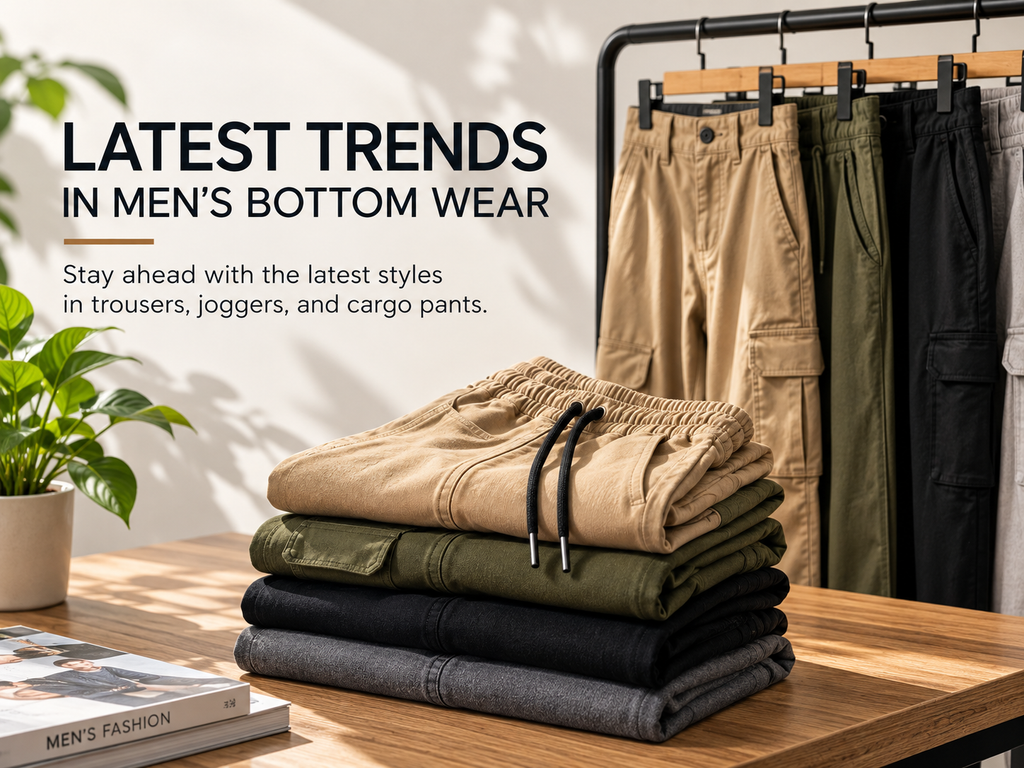
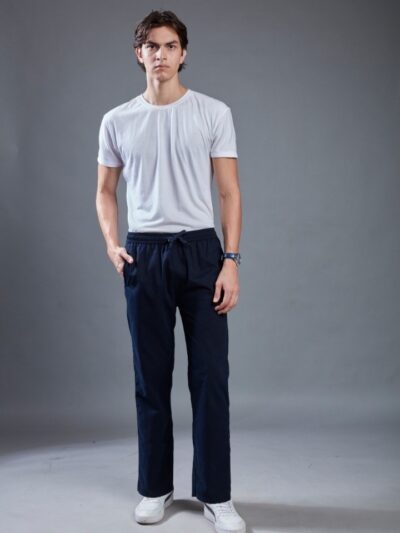
- Trousers
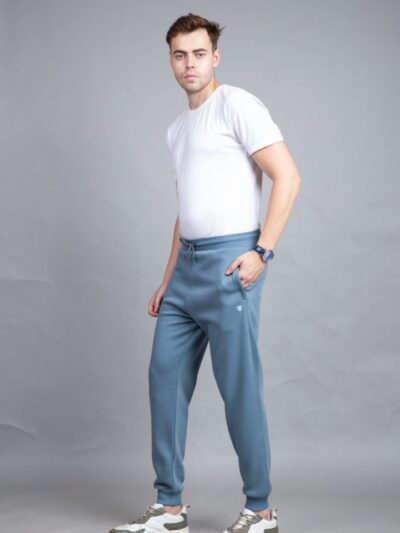
- Joggers
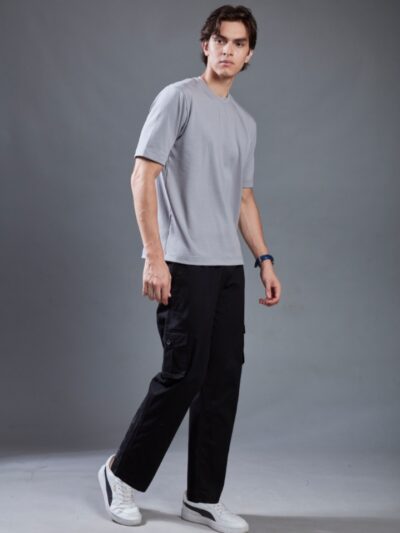
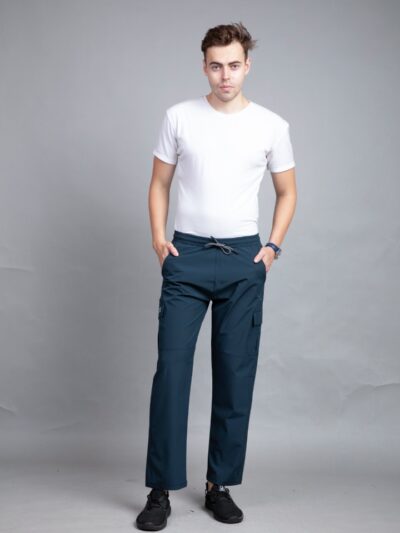
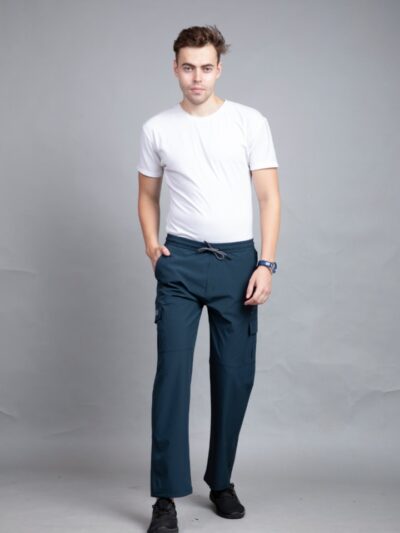
- Cargo Pants
- Casual Shirts
- Formal Wear
- Shorts
- Sweatshirts
- Hoodies
Understanding your target customer will help you decide which products, designs, fabrics, and price ranges to focus on.
2. Research Your Target Market
Before purchasing wholesale clothing, research what customers are actually buying.
Look at:
- Popular clothing styles
- Trending colors
- Customer price preferences
- Seasonal demand
- Competitor products
- Online search and social media trends
For example, if your customers prefer comfortable everyday clothing, joggers, relaxed trousers, and cargo pants may be better choices than highly formal styles.
3. Find the Right Wholesale Clothing Supplier
Your supplier is one of the most important parts of your clothing business.
A good wholesale supplier should offer consistent quality, competitive pricing, reliable communication, and dependable order processing.
Before choosing a supplier, consider:
Product Quality: Check fabric, stitching, fitting, and finishing.
Wholesale Pricing: Make sure the price allows you to maintain a healthy profit margin.
Minimum Order Quantity: Understand how many pieces you need to order.
Product Variety: A wider collection can help you offer more choices to your customers.
Delivery: Confirm production and delivery timelines before placing bulk orders.
Business Support: Good communication becomes especially important when you start placing regular orders.
4. Check Product Quality Before Bulk Orders
Never choose a supplier based only on photographs or price.
Whenever possible, check samples before placing a large order. Examine the fabric, stitching, buttons, zippers, fitting, color, and overall finishing.
Consistent quality is essential because poor-quality products can lead to customer complaints, returns, and damage to your brand reputation.
5. Understand Wholesale Minimum Order Quantities
Most wholesale clothing suppliers have a minimum order quantity, commonly known as MOQ.
For example, a supplier may require a minimum number of pieces per style, color, or size.
Before ordering, make sure the MOQ fits your budget and expected sales. Ordering too much stock in the beginning can tie up your money and increase inventory risk.
6. Calculate Your Total Business Cost
Your wholesale purchase price is only one part of your total cost.
Consider:
- Product cost
- Shipping
- Packaging
- Website or marketplace fees
- Advertising
- Taxes
- Storage
- Returns and replacements
Once you know your total cost, you can set a selling price that remains competitive while providing a reasonable profit.
7. Build a Balanced Clothing Collection
Once you find a reliable supplier, create a collection that gives customers enough variety without making inventory management difficult.
For a men’s clothing business, you could start with:
- Basic T-shirts
- Casual trousers
- Joggers
- Cargo pants
- Shorts
- Casual shirts
As your business grows, you can introduce new styles based on customer demand.
8. Create a Professional Brand Presence
A professional brand can make your clothing business stand out from competitors.
Create a consistent identity across your:
- Website
- Product packaging
- Product photography
- Marketing materials
Use high-quality product images and provide accurate product information, sizes, fabric details, and pricing.
9. Sell Through the Right Channels
There are several ways to sell wholesale clothing.
Physical Retail Store
A physical store allows customers to see and try products before purchasing.
Online Store
An e-commerce website can help you reach customers beyond your local area.
Marketplaces
Online marketplaces can provide access to a large customer base, although they may involve additional fees and competition.
B2B Wholesale
You can also supply clothing directly to retailers, resellers, boutiques, and other businesses.
Choosing the right sales channel depends on your target market and business model.
10. Build a Long-Term Relationship With Your Supplier
Once you find a supplier that consistently provides good quality and reliable service, maintaining a strong business relationship can be valuable.
Regular communication can help with:
- New product launches
- Bulk orders
- Stock planning
- Custom requirements
- Better order coordination
- Long-term business growth
A reliable supplier can become an important part of your supply chain as your clothing business expands.
Common Mistakes to Avoid
New clothing businesses often make a few common mistakes:
- Choosing suppliers only because they offer the lowest price
- Ordering too much inventory initially
- Not checking product quality
- Ignoring customer feedback
- Having inconsistent sizing
- Not calculating total business costs
- Buying products without understanding market demand
Avoiding these mistakes can help you reduce unnecessary expenses and build a stronger business.
Final Thoughts
Starting a clothing business with wholesale suppliers can be a practical way to enter the fashion industry. The key is to understand your customers, choose the right products, find a reliable supplier, maintain consistent quality, and manage your inventory and pricing carefully.
As your business grows, focus on building long-term relationships with suppliers and customers rather than simply chasing the lowest price.
ENMODE helps retailers, resellers, and businesses source premium men’s clothing for B2B and wholesale requirements, with a focus on quality, modern styles, and reliable business support.